Do You Need Ice Spikes in Iceland? Microspikes vs Crampons
Þessi færsla er á ensku.
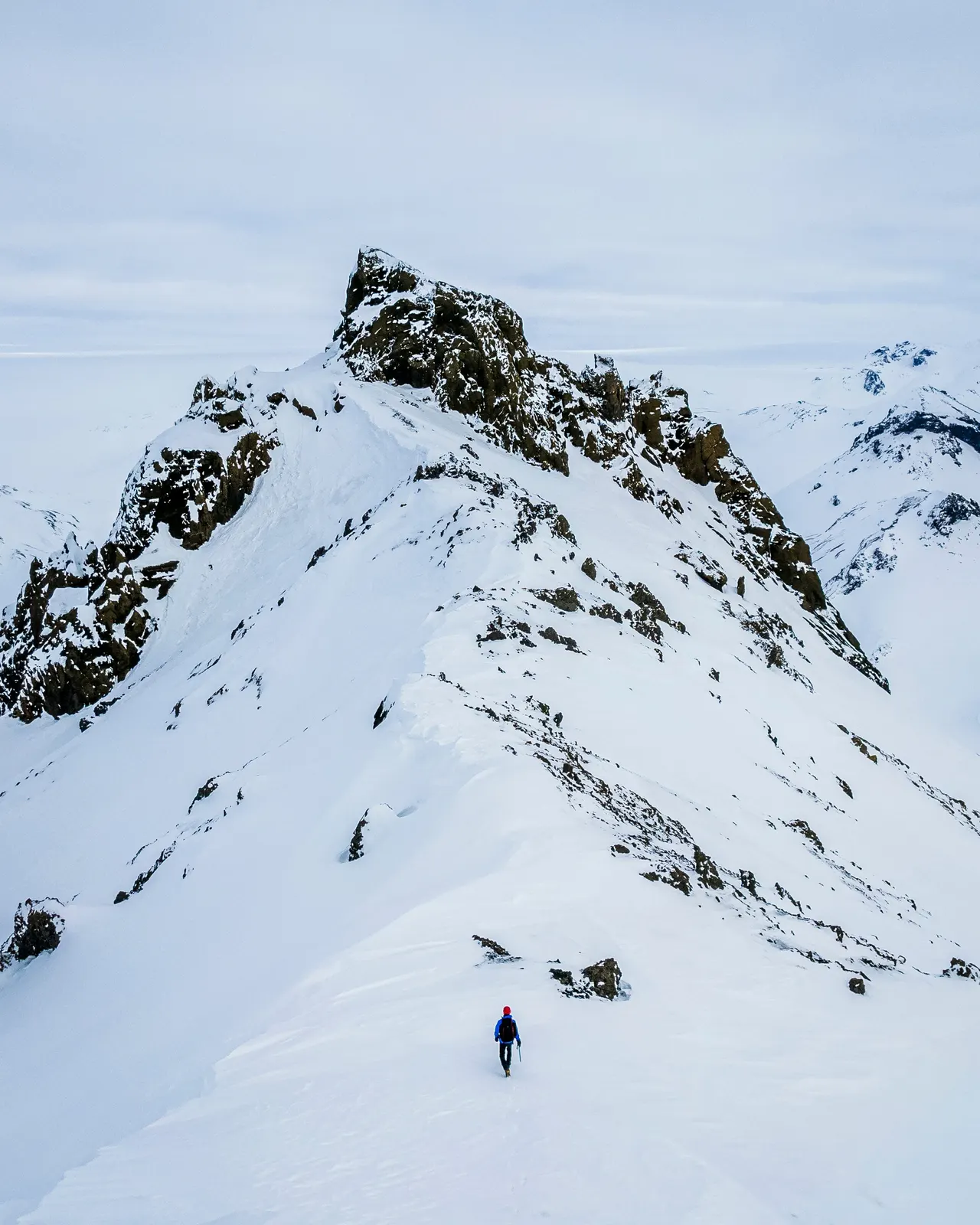
If you're visiting Iceland between October and April, the short answer is yes: pack or rent a pair of ice spikes. They weigh almost nothing, fit in a coat pocket, and can be the difference between enjoying a waterfall and spending the afternoon at a clinic with a sprained wrist.
Why Iceland's paths get so slippery
Iceland's winter weather swings around freezing point, often several times a day. Snow melts in the afternoon, refreezes overnight, and leaves a smooth layer of ice on paths, car parks and steps. Spray from waterfalls freezes onto the rocks around them. Even in Reykjavík, pavements can be glass-smooth on a January morning.
Ordinary hiking shoes, however good, don't grip on that kind of ice. Spikes do.
Where you'll be glad you have them
- Waterfalls: the paths around popular falls on the Golden Circle and south coast freeze over from the spray.
- Car parks and viewpoints: the short walk from the car is often the iciest part of the day.
- Northern lights spots: dark, uneven, frozen ground, and you're looking up, not at your feet.
- Easy winter hikes: short trails near Reykjavík and along the coast stay icy for weeks.
- Town streets: on cold mornings, even a walk to breakfast.
Microspikes vs crampons: what's the difference?
Microspikes (also called ice spikes or ice cleats) are a rubber harness that stretches over your shoe, with short steel spikes and chains underneath. They go on in seconds, work with ordinary hiking shoes, and are made for icy paths, packed snow and gentle slopes. This is what most visitors need.
Crampons have long, sharp points and a rigid frame, and need stiff mountaineering-type boots. They're made for glaciers and steep ice. If you book a glacier hike or an ice cave tour, the guides normally provide crampons and show you how to use them, so you don't need your own.
| Microspikes | Crampons | |
|---|---|---|
| For | Icy paths, waterfalls, packed snow, town | Glaciers, steep ice |
| Shoes | Any hiking shoe or winter boot | Stiff boots |
| Putting on | Seconds, no tools | Fitted to the boot |
| Who brings them | You | Usually your tour guide |
Tips for using ice spikes
- Put them on before you step onto the ice, not halfway across.
- Walk flat-footed with short steps, and keep your hands out of your pockets.
- Take them off indoors and in the car: the spikes damage floors and wear down on tarmac.
- Check the size against your shoe: spikes come in sizes like shoes do.
Rent them instead of buying
A good pair costs more to buy than most people use them for, and they take up space in your luggage on the way home. At Tourvo you can rent microspikes for your trip and get them delivered to your hotel the evening before you set off, together with a warm parka, waterproof pants or hiking shoes if you need those too. You pay per night, like your hotel, and hand everything back on your last day.