What to Wear in Iceland in November and December
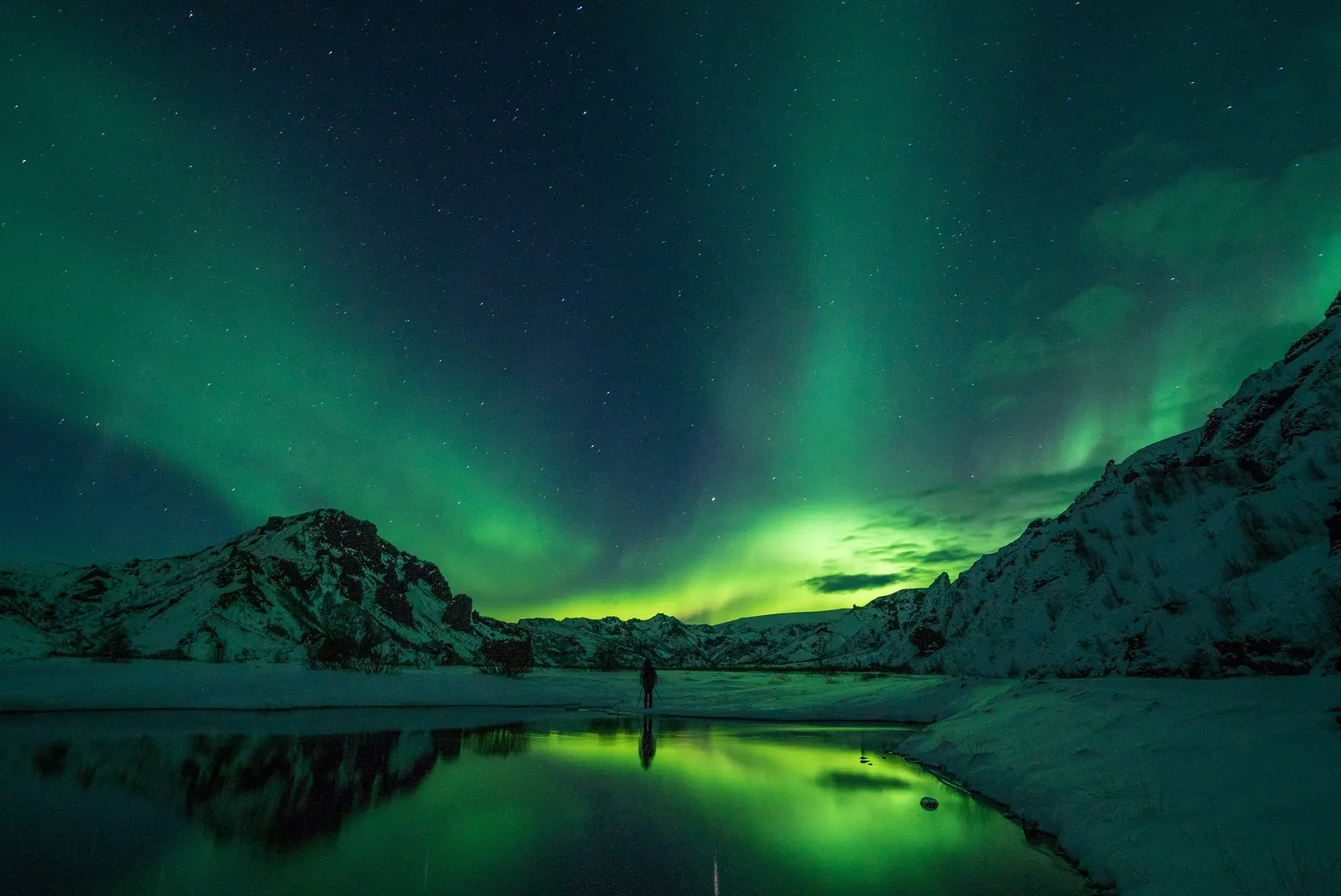
November and December are some of the most magical months to visit Iceland: long nights for the northern lights, the first snow on the mountains, and Reykjavík lit up for Christmas. They're also dark, windy and wet, so what you wear decides whether you enjoy the day or spend it cold. Here's what to pack, and what you can rent instead.
What the weather is really like
- Temperature: in Reykjavík usually between about -3°C and 5°C. It feels much colder in the wind, and the countryside and highlands are colder still.
- Wind: the biggest factor. A 0°C day with strong wind feels like -10°C, and gusts on the south coast can be strong enough to push you over.
- Rain, sleet and snow: often all in one day. November is usually wetter, December snowier, but either can bring both.
- Daylight: around 7 hours at the start of November, falling to about 4 hours by the winter solstice in late December. Plan your sightseeing around the middle of the day.
- Ice: paths, car parks and the areas around waterfalls freeze over, especially in the morning.
Dress in three layers
The trick in Iceland isn't one very thick coat, it's layers you can add or take off as you go from a warm bus to a windy waterfall.
- Base layer: long-sleeved thermal top and leggings, ideally merino wool. Wool stays warm even when damp. Avoid cotton: once it's wet, it stays cold.
- Mid layer: a fleece or a wool sweater. On the coldest days, add a light down or synthetic jacket under your outer layer.
- Outer layer: a warm, windproof parka for cold, dry days, and a waterproof jacket and pants for rain and sleet. On wet days the waterproof layer matters more than the thickness.
Your feet, hands and head
- Hiking shoes or boots: waterproof, with a good grippy sole. Fashion boots and trainers get wet and slippery fast.
- Wool socks: bring a spare pair for the day, especially if you're visiting waterfalls.
- Ice spikes: small spikes that slip over your shoes. On icy paths they make the difference between walking and sliding. They fit in a coat pocket.
- Gloves and a beanie: you lose a lot of heat through your head and hands, and the wind finds every gap. Windproof gloves are best.
Northern lights nights
Hunting the aurora means standing still outside, often for an hour or more, late at night. That's when people get coldest. Wear every layer you have, your warmest parka, a beanie and gloves, and bring a thermos of something hot. If you're on a tour, you'll often wait in a dark field with the wind blowing across it.
Christmas in Reykjavík
In December, the city has Christmas markets, lights and concerts, and you'll spend a lot of time walking between them. A warm parka, good shoes and ice spikes are just as useful on Laugavegur as on a glacier. Around Christmas and New Year, many shops and tours have shorter hours, so plan ahead and book early.
A quick packing list
- Thermal base layers (wool)
- Fleece or wool sweater
- Warm windproof parka
- Waterproof jacket and pants
- Waterproof hiking shoes
- Wool socks
- Gloves and a beanie
- Ice spikes
- Swimsuit for the hot springs and pools
Don't want to buy it all? Rent it
A full winter outfit is expensive, takes up most of your suitcase, and you may only need it for a few days. With Tourvo you can rent it instead and hand it back when you leave.
- Winter Package: parka, hiking pants, hiking shoes, gloves and a beanie, in your sizes, in one booking.
- Add what you need: a waterproof rain jacket and pants for wet days, and ice spikes.
- Delivered to your hotel in Reykjavík the evening before your trip starts, or picked up at Útilíf in Skeifan, Reykjavík. We collect it on your last day.
- Pay per night, like your hotel, and change your dates or sizes online until the day before. If something doesn't fit, we bring another size free of charge.